

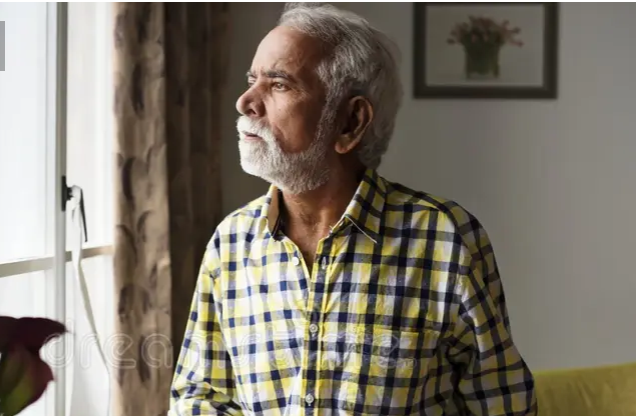
Loneliness in seniors is rarely loud. It doesn’t always look like tears or sadness. Often, it lives quietly in long afternoons, unanswered thoughts, and routines repeated without conversation. For many Indian seniors living independently in the U.S., loneliness is not something they complain about. In fact, most would never call it loneliness at all. They say they are “managing fine.” They say, “Don’t worry about me.” but it has a very different meaning. But emotional isolation has a way of settling in slowly—and its impact can be deeper than we realize especially during their retirement years.
When Days Start to Feel Empty
Mental well-being in later years is closely tied to purpose and connection. When days lack structure, shared experiences, or meaningful interaction, seniors may begin to feel invisible. Not needed. Not fully seen. 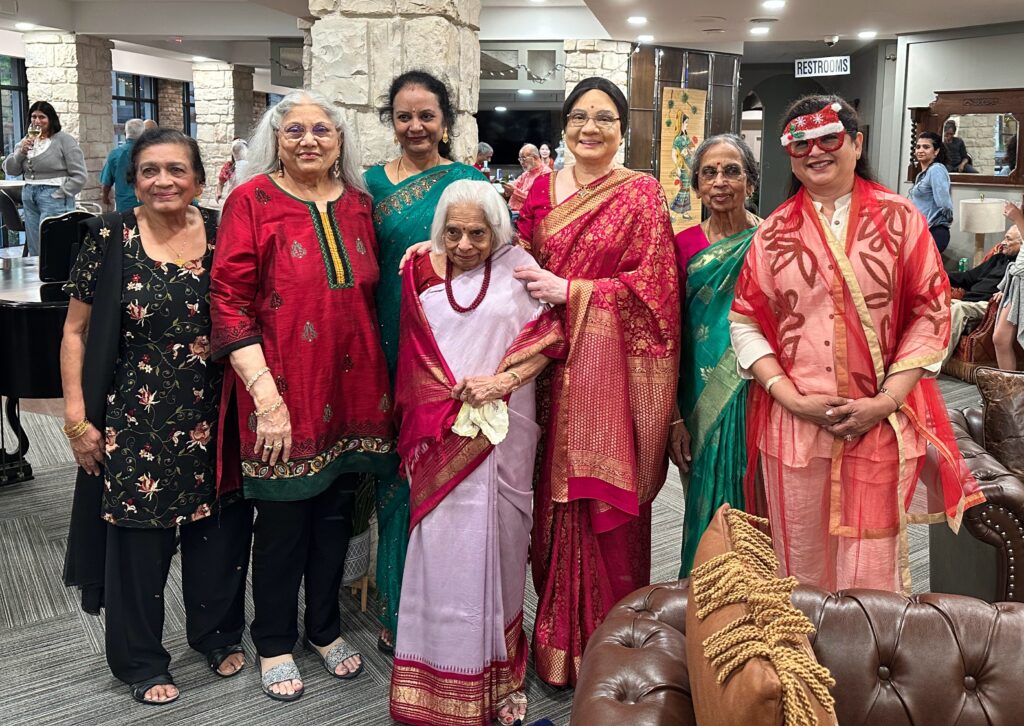 Many Indian parents come from a lifetime of being central to the family—raising children, managing households, hosting relatives, guiding decisions. Suddenly, life becomes quieter. Children are busy. Friends move away. Social circles shrink. The mind remains active, but the heart misses engagement. This emotional disconnect can quietly affect sleep, appetite, motivation, and overall mental health.
“And yet, because Indian parents are resilient and selfless by nature, they often carry this weight silently.”
The Guilt Adult Children Carry
Adult children sense it, even from a distance. They notice shorter conversations. Less excitement. Fewer stories. They worry—but they don’t always know how to help. Life in the U.S. is demanding. Balancing work, children, and responsibilities leaves little time to address emotional needs, even when the concern is constant. Many families assume independence is the best option—believing it honors dignity. But independence without companionship can quietly take its toll.
Why Community Changes Everything
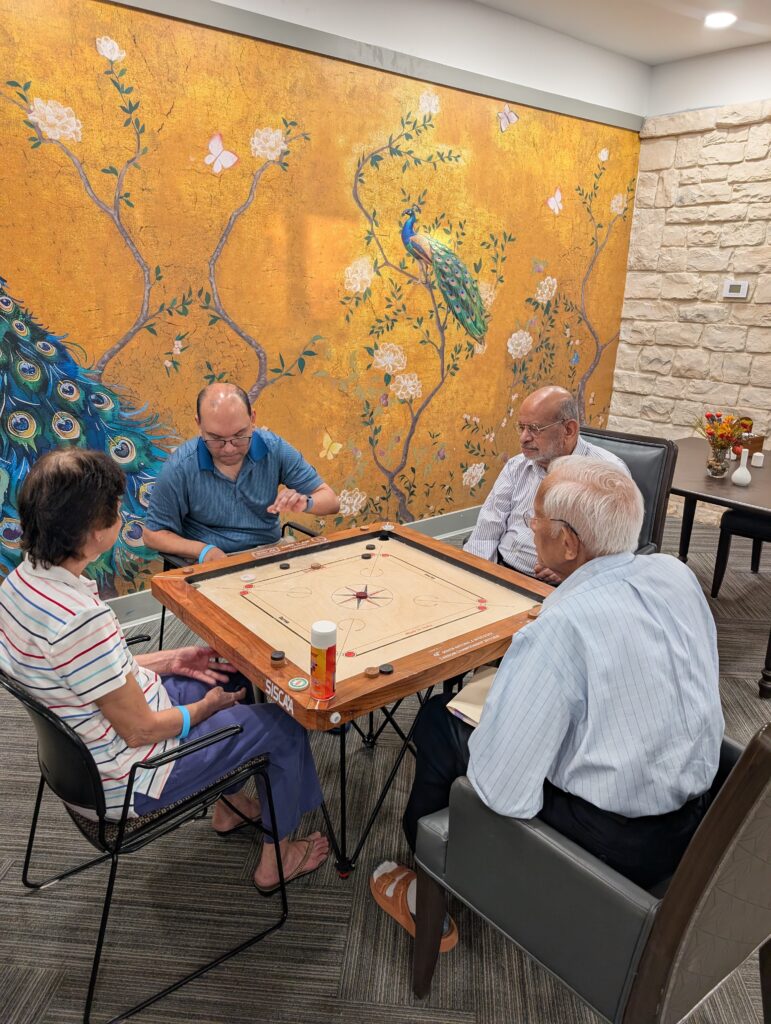 What seniors often need most isn’t medical care—it’s connection. A reason to get up in the morning. Someone to talk to over chai. A place where they feel included, valued, and understood. This is where Indian-inspired community like Bhartiya Nivas make a meaningful difference. Community living restores what loneliness slowly takes away: routine, relationships, and relevance. Days are filled with shared meals, cultural activities, yoga sessions, spiritual gatherings, and simple conversations that create emotional nourishment.
 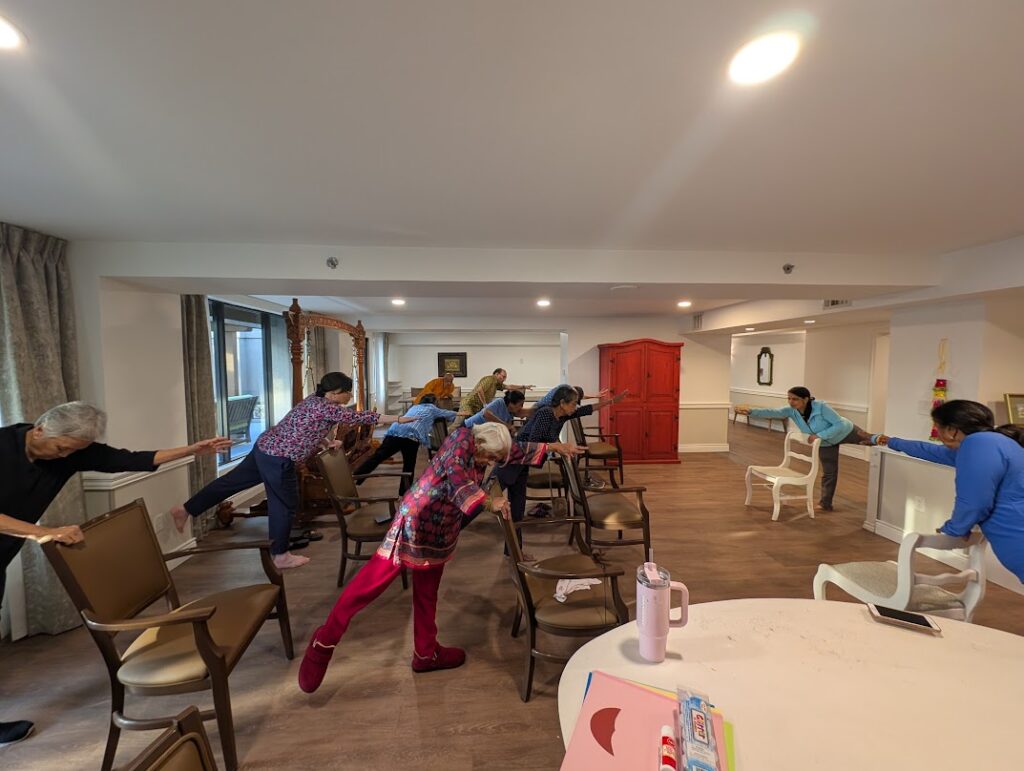 Here, seniors don’t have to explain their traditions or preferences. They speak familiar languages. Eat familiar food. Celebrate familiar festivals. The environment feels intuitive—because it reflects who they are.
Purpose Returns in Small, Powerful Ways
Purpose doesn’t always come from big responsibilities. Sometimes it comes from helping in the garden, attending a music session, participating in a festival, or simply being part of a group. 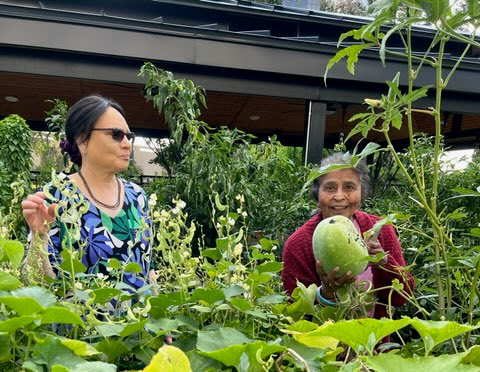 In community, seniors are no longer observers of life—they are participants again. Laughter returns more easily. Energy feels lighter. Even health improves when the mind feels engaged and the heart feels full.
A Thoughtful Way Forward
Choosing community living is not about taking something away—it’s about giving something back. Emotional security. Companionship. A sense of belonging. For families, it offers reassurance. For parents, it offers dignity. For everyone, it offers peace of mind. Loneliness may be hidden, but its impact is real and it affects all aspects of life from physical to emotional to social to mental. And when addressed with care, culture, and community, it can truly change everything. At Bhartiya Nivas, community isn’t an afterthought—it’s the foundation. Every space, activity, and shared moment is designed to foster connection, purpose, and emotional well-being through an Indian-inspired way of life. For families who sense that their parents may need more than just independence—for those looking for warmth, familiarity, and belonging—sometimes the most thoughtful step is simply exploring what community can offer. Because growing older shouldn’t mean growing lonelier—and no one deserves to feel alone when togetherness is within reach.